The Republic
Freedom is not claimed in Gersau. It was bought, defended — and lived for some four centuries.

The purchase of freedom
On June 3, 1390, Gersau bought itself free of all foreign rule — for 690 pounds of pfennigs. No prince granted this freedom; the village paid for it with its own money. The purchase gave rise to the Genossame — a civic corporation that endures to this day.
What followed was a state at its smallest: its own courts, its own taxes, its own militia. In 1433, Emperor Sigismund confirmed every right — Gersau stood immediate to the Empire, under the imperial seal, owing nothing to anyone but the Empire itself. It was long called the smallest republic in Europe.
The chronicle
- 1064
- First mention: "Gersouwe," in the register of Muri Abbey.
- August 31, 1359
- Alliance with the four Waldstätten, as an associated territory.
- June 3, 1390
- The purchase of freedom: 690 pounds of pfennigs. Origin of the Genossame, which endures to this day.
- October 31, 1433
- Emperor Sigismund confirms every right: immediate to the Empire, under the imperial seal.
- June 28, 1436
- Its own civil and marriage law; the Landsgemeinde — the open-air assembly of citizens — its own council, its own court.
- 1745
- The old town hall is built — council chamber and court of the republic.
- 1798
- The republic falls with the French invasion.
- February 2, 1814
- The Landsgemeinde restores the old free republic.
- 1817/1818
- Assigned to Schwyz, against Gersau's will; dissolved on January 1, 1818.
The republic did not fail. It was ended — against the will of its citizens.
The old town hall
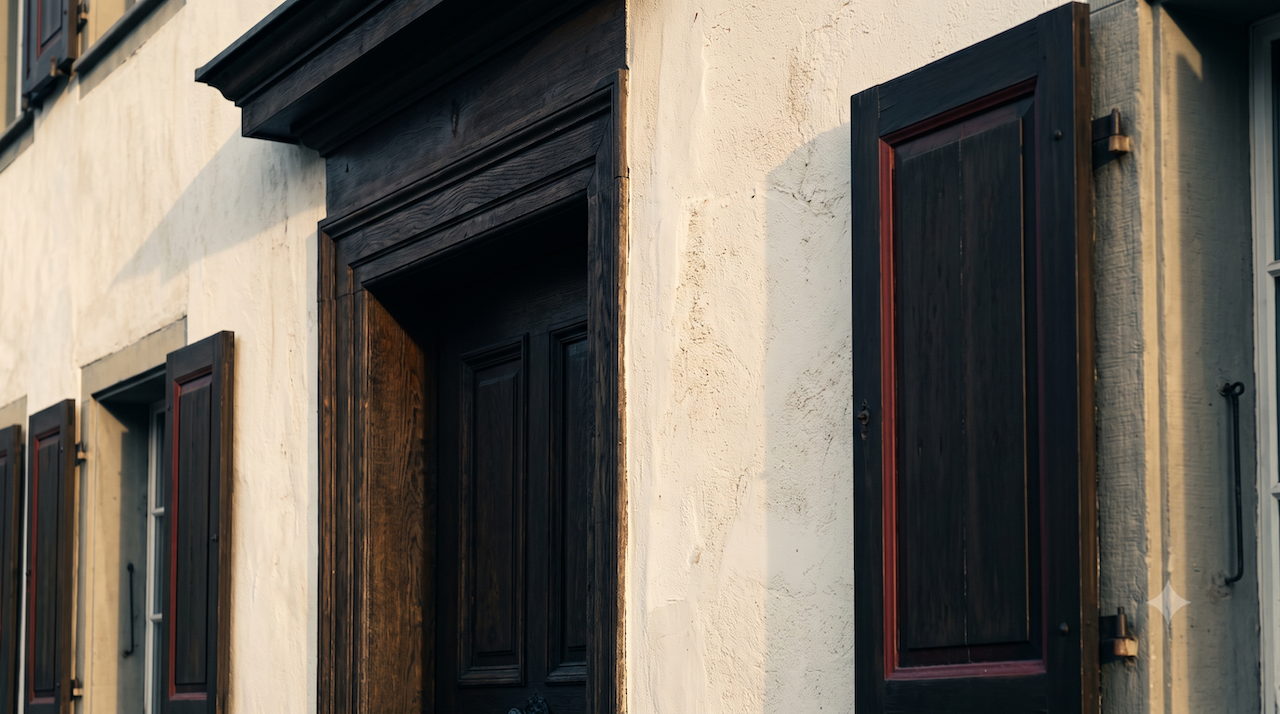
Built in 1745, it was the council chamber and court of the republic; today it houses the local museum. LIBERTAS opens and closes in this building: the swearing-in on Friday, the guided walk through its history on Sunday. Beginning and end, in one room.
The rally's signature hour — 17:45 — carries the year of this house: 1745. It is a ritual of the rally.
The fountain
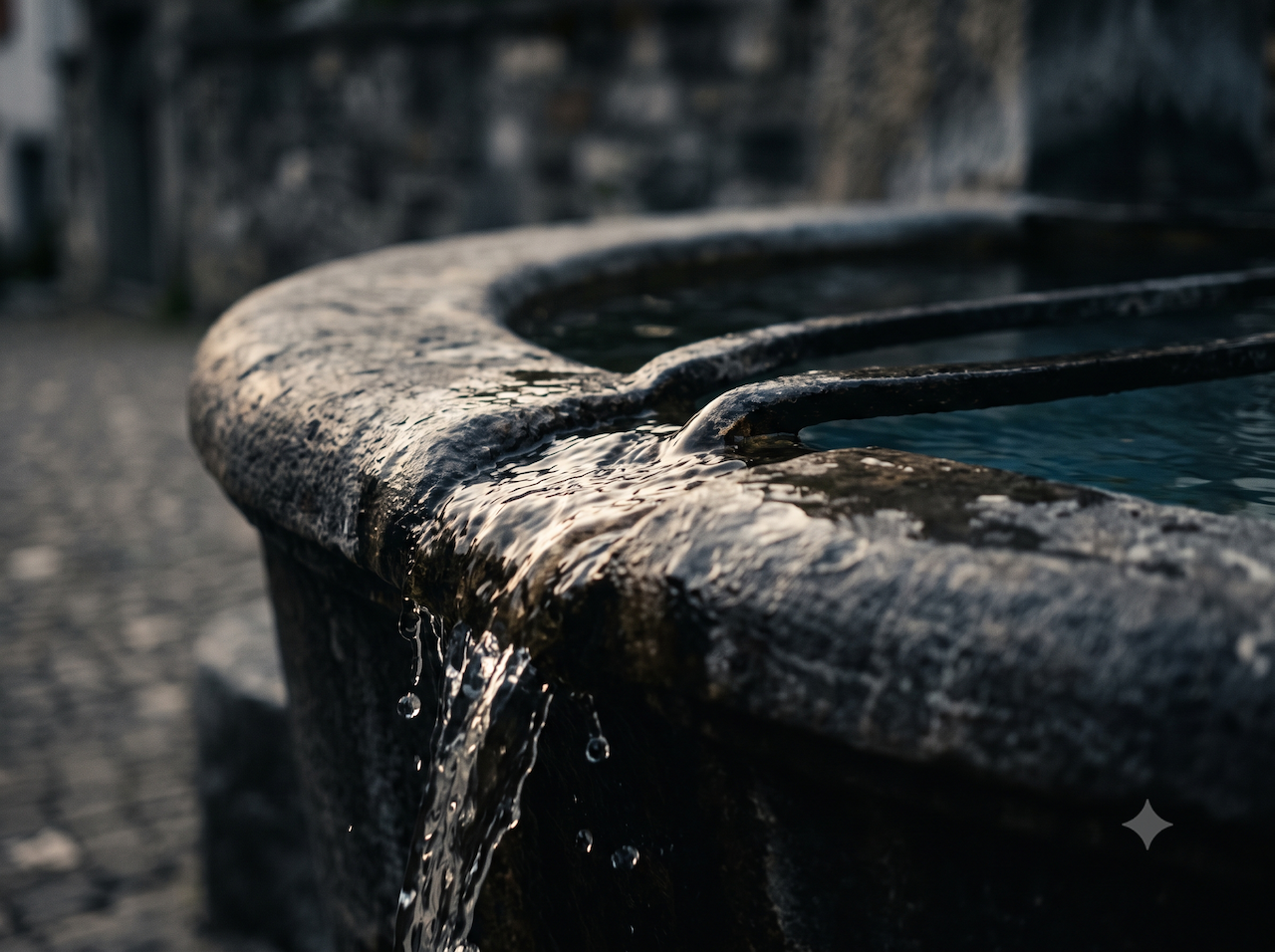
Before the old town hall stands the fountain. Its inscription:
«Gersau bleibt Gersau, ein freies Volk, ein freies Land.»
("Gersau remains Gersau, a free people, a free land.")
The line is not ours. It stands there, in stone — and it is the signature of this weekend.
The Gulden
The historical republic never minted a coin. The currency came later — and that is the better story: on the 200th anniversary of their republic, in 2014, the people of Gersau created a currency of their own. The Gersauer Gulden, worth ten Swiss francs, is accepted in the village's businesses. Designed by a woman of Gersau; the reverse side came from a youth competition.
At the Investiture, every crew receives one — a symbol of citizenship.